
Medical Device PCB
Manufacturing & Assembly
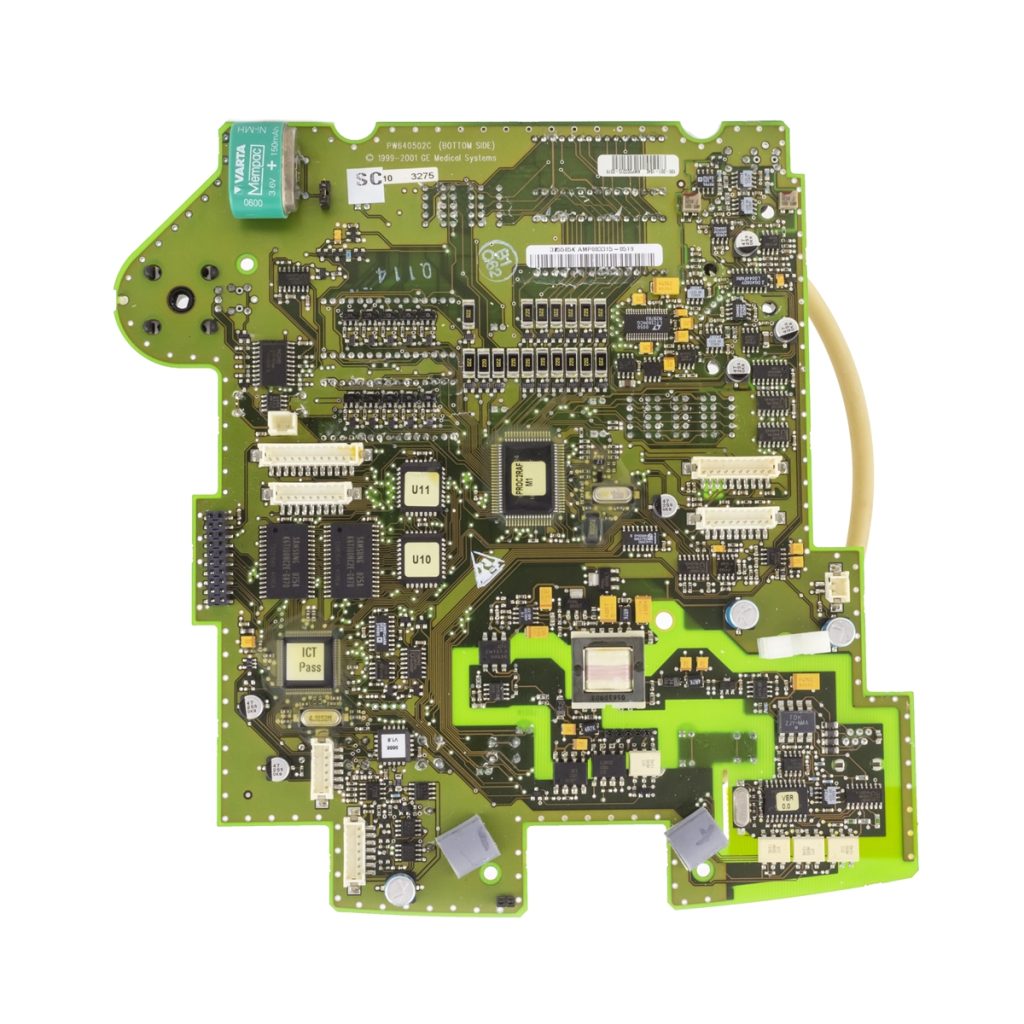
PCBLion delivers ISO 13485 certified medical PCB assembly and manufacturing. We accelerate your time-to-market with full-lifecycle solutions—spanning from quick-turn prototypes to high-volume production. Every board is backed by 100% traceability, rigorous functional testing, and strict medical compliance.
Manufacturing Requirements for Medical PCBs
High Reliability
Medical electronic devices (including pacemakers, MRI scanners and portable monitors) are closely linked to patient health and safety, making high reliability the core requirement for medical-grade PCBs.
Precision & Miniaturization
Medical devices demand high integration in compact spaces, requiring PCBs with micro-precision and miniaturized manufacturing capabilities.
Sterility & Biocompatibility
For equipment in direct or indirect contact with the human body, medical PCBs must meet sterility and biocompatibility standards.
Strict Regulatory Compliance
Medical PCB manufacturing must comply with stringent international regulations including ISO 13485, FDA and CE standards, covering full-lifecycle management in design, documentation, traceability and production processes.
PCBLion's Medical Device Solution
1. Validated Processes for Compliance
Our manufacturing follow ISO 13485:2016 requirements with full process validation:
- IQ (Installation Qualification): Equipment calibration and environmental controls documented.
- OQ (Operational Qualification): Process parameters validated (reflow profiles, cleaning cycles).
- PQ (Performance Qualification): Ongoing process capability monitoring (Cpk > 1.33).
- Risk Management: Support for ISO 14971 process FMEA.
2. Cleanliness Control
Medical devices require ultra-clean assemblies to prevent field failures:
- Ionic Contamination Testing (Rose Test): Every medical device batch tested (<1.56 µg/cm² NaCl equivalent).
- Validated Cleaning: Aqueous cleaning with DI water, nitrogen purge drying, and inline monitoring.
- Cleanroom Assembly: ISO Class 7 (Class 10,000) cleanroom available for implantable devices.
3. Complete Traceability (DHR)
We maintain 10+ years of complete manufacturing records including component lot codes, process parameters, and serialization linkage via our MES system.
Applications of PCBs in the Medical Device Industry
Portable Medical Devices
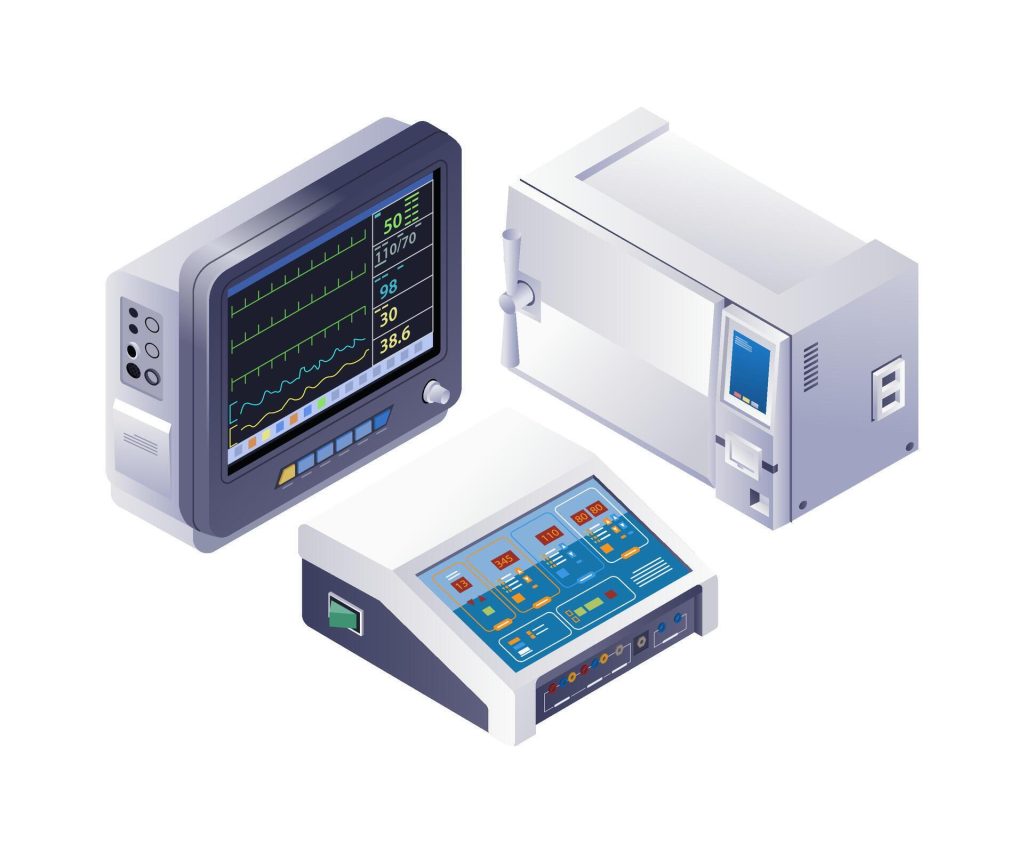
Rising demand for portable, compact medical equipment (for clinical or mobile clinic use) has spurred advancements in medical PCB assembly. PCBs enable seamless integration of electronic components into limited spaces, ensuring high performance, precise measurements, and low power consumption—key requirements for portable devices like handheld monitors, portable defibrillators, and home health trackers.
Medical Imaging Systems
Medical imaging systems (X-ray machines, MRI scanners, ultrasound devices) rely on high-quality PCBs for processing and transmitting image data. With high-density routing and precise connectivity, medical PCBs facilitate rapid, accurate image processing, delivering clear, reliable results that help healthcare professionals make informed diagnostic decisions.
Vital Signs Monitoring Devices
Vital signs monitors (heart rate monitors, blood pressure devices, oxygen meters) require highly sensitive sensors and stable data processing circuits. Medical PCBs meet these needs by ensuring high sensitivity, consistent performance, and low power consumption, supporting continuous, reliable patient monitoring in hospitals, clinics, and home settings.
Surgical Equipment
Precision control and real-time data transmission are critical in surgical procedures. PCBs integrated into surgical equipment (laparoscopic tools, surgical robots, electrocautery devices) enable real-time data monitoring and transmission, empowering surgeons with accurate, timely information to enhance surgical precision and patient safety.
PCBLion’s Advantages in Addressing Medical PCB Challenges
PCBLion manufactures medical PCBs to IPC Class 3 standards with full AOI, X-Ray, and 100% electrical testing, ensuring fault-free performance throughout the device lifecycle.
ISO 13485 and AS9100 certified facility, fully aligned with FDA 21 CFR Part 820, helping medical device manufacturers accelerate regulatory approval with confidence.
From HDI and blind/buried-via boards to high-speed signal integrity, our engineering team delivers expert DFM review and complex multilayer solutions for demanding medical applications.
Medical-grade conformal coatings and chemical-resistant finishes withstand repeated autoclave and EtO sterilization cycles, built to endure the harshest clinical environments.
Why Engineers Switch to Us
“PCBLion’s DFM review flagged a critical trace spacing issue before production. That single catch prevented a device recall and saved our team months of re-certification work.”
— Senior Hardware Engineer, MedTech Solutions
Frequently Asked Questions
Is PCBLion's facility certified for medical device manufacturing?
Yes. PCBLion holds ISO 13485 and AS9100 certifications, with processes fully compliant with FDA 21 CFR Part 820, making us a qualified manufacturing partner for Class I, II, and III medical devices.
Can PCBLion handle high-complexity medical PCB designs?
Absolutely. Our engineering team supports HDI, blind/buried-via, and high-layer-count boards with full DFM review services, ensuring your design is optimized for both performance and manufacturability before production begins.
How does PCBLion ensure the reliability of PCBs used in medical devices?
Every medical PCB goes through a rigorous inspection process including AOI, X-Ray imaging, and 100% electrical testing to IPC Class 3 standards, guaranteeing the quality and stability required for life-critical applications.
Ready to Start Your Project?
Get an instant quote and see why thousands of engineers trust PCBLion for their PCB needs.